

Article
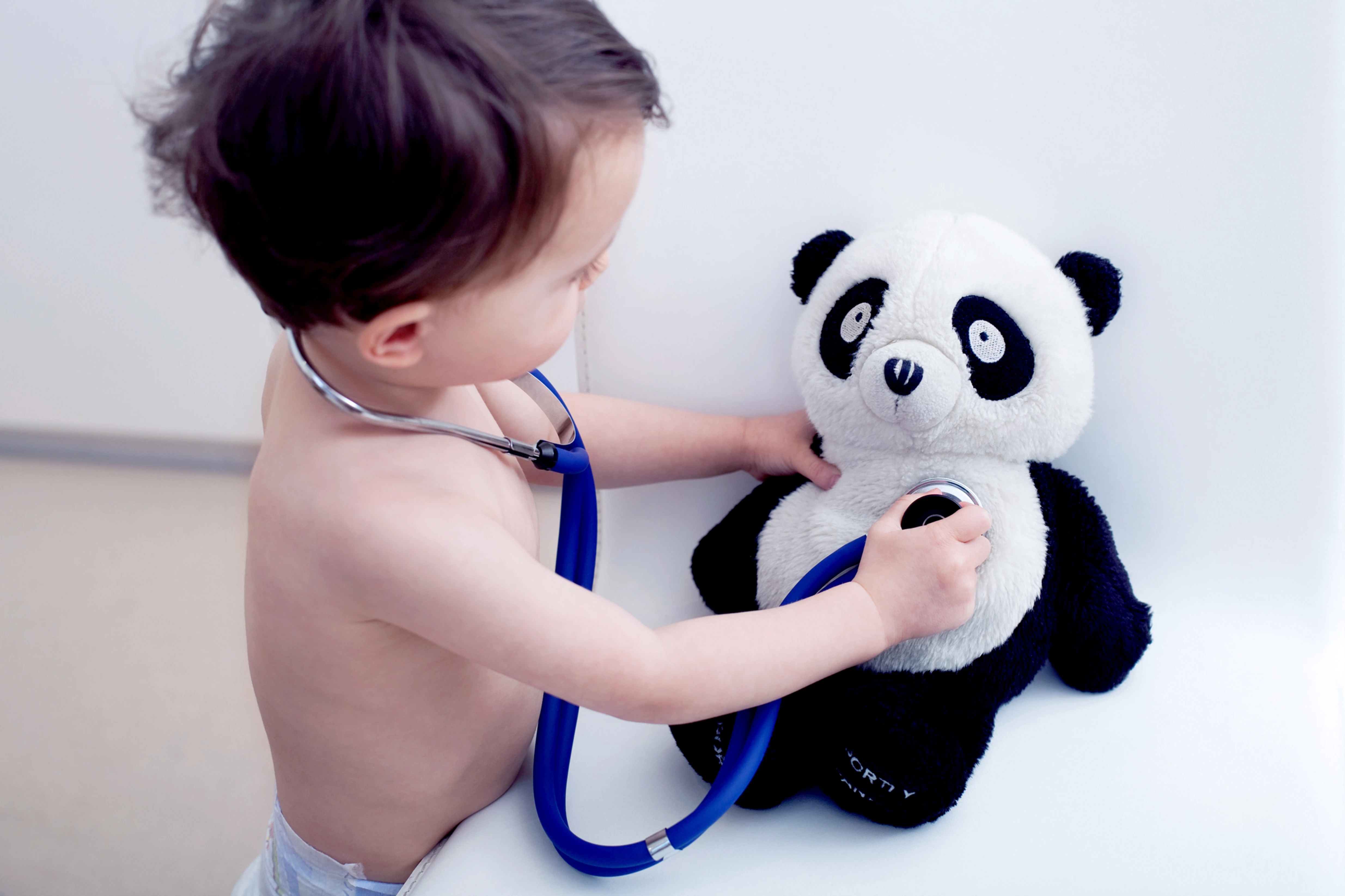
One of the most common concerns we hear from parents is: “Why is my child always catching colds, especially now that they’re in daycare?” It’s a completely valid worry — but the truth is, for young kids, frequent illness can actually be a sign that their immune system is doing exactly what it’s supposed to do: learning.
1. Children’s Immune Systems Are Still Learning
When children attend daycare, preschool, or large-group settings, they’re exposed to many more viruses than they would be at home. These repeated exposures help their immune systems build defenses. There are over 200 different viruses that can cause “common colds.” For very young children, the immune system hasn’t yet “seen” many of these viral types, so each new exposure is an opportunity for learning.
2. How Often Is “Normal” for Kids to Get Sick?
- According to the American Academy of Pediatrics (AAP), infants in child care may get 10–12 upper respiratory infections per year, with the rate dropping as children grow older.
- In early childhood (toddler / preschool age), many children get 7–8 colds per year.
- School-age children average 5–6 colds a year, and by adolescence they may have about 4 per year, which is more like the adult pattern.
3. Is Frequent Illness Actually a Problem?
Not usually — the Mayo Clinic notes that it’s very common for kids to be “sick” much of the year without having any underlying immune deficiency. However, there are some flags that might prompt further evaluation, including:
- Eight or more ear infections in one year, or
- Two or more serious sinus infections in a year, or
- Infections with unusual organisms or requiring hospitalizations
If your child is generally doing well between illnesses — growing normally, sleeping, feeding well — then what seems like constant sickness might just be the immune system doing its job.
4. Long-Term Benefit: Building “Memory” in the Immune System
Studies have shown that while children in daycare may have more infections in the preschool years, they may actually develop stronger viral immunity as they get older. Over time, repeated exposures help the body “learn” how to fight off common viruses more efficiently.
5. How Parents Can Support Their Child’s Immune Health
- Teach and reinforce good hand hygiene. Regular hand washing is one of the most effective ways to reduce transmission.
- Promote healthy sleep. Adequate sleep supports immune function.
- Ensure proper nutrition. A balanced diet gives the immune system the raw materials it needs to function well.
- Stay up to date on vaccinations.
- Optimize the environment. Good ventilation, covering coughs/sneezes, keeping shared surfaces clean.
- Know when to call your provider.
Final Thoughts
If your child is frequently sick, especially during those early daycare years, know this: you are not alone, and what you're seeing is very often normal. Their immune system is doing its job — learning, adapting, and building memory.